
Heads-Up From Tehran: A Statement That Shook the Football World
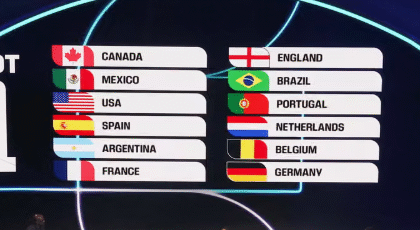
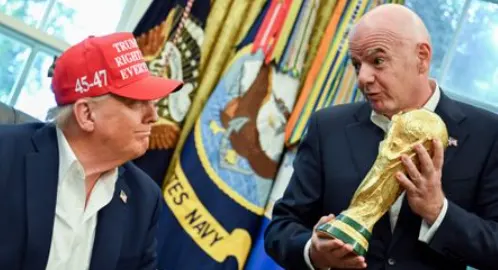
In a move that has sent ripples through global football, Iran has declared it will not attend the 2026 World Cup draw scheduled to take place in Washington, DC. The decision came after the United States denied entry visas to several senior members of the Iranian delegation, including top officials of the national football federation.
- Heads-Up From Tehran: A Statement That Shook the Football World
- What Sparked the Boycott: Visa Denials and Political Undertones
- Beyond the Draw: Political Tensions Meet the World of Sport
- A Defiant Stand And What It Means for the Global Football Community
- Looking Ahead: Will This Boycott Affect Iran’s Spot at the Tournament?
According to the federation’s spokesperson, the visa denials go beyond bureaucratic delay; they represent a deliberate political barrier. As a result, the delegation will skip the draw altogether, and Iran has formally informed the world governing body FIFA of its decision.
What Sparked the Boycott: Visa Denials and Political Undertones
The controversy started when US authorities reportedly refused to grant visas to some of the most senior figures in the Iranian delegation, including Mehdi Taj, president of FFIRI. Only a handful of officials, such as head coach Amir Ghalenoei, received visas.
FFIRI described the limited visa issuance as a breach of sporting norms, arguing the decision “has nothing to do with sports.” In its view, the partial granting of visas while denying access to key members turns the draw into a politically charged event rather than a unifying football ceremony.
Because of this, the federation concluded that their participation would undermine the integrity and fairness of the draw process.
Beyond the Draw: Political Tensions Meet the World of Sport
The boycott underscores how deeply political tensions between Iran and the United States continue to influence arenas far away from diplomacy, including football. With the 2026 World Cup set to be co-hosted by the U.S., Canada, and Mexico, Iran’s decision serves as a stark reminder that international politics still intersects heavily with global sports.
FFIRI has also warned that this visa row could impact the national team’s future travel to the U.S. in connection with the tournament. The message is clear: unless the entry restrictions are resolved, Iran may not be able to participate as freely as other nations, a potentially symbolic blow for a country that has qualified for the World Cup multiple times.
A Defiant Stand And What It Means for the Global Football Community
By boycotting the draw, Iran is making a firm statement: sport should remain neutral ground, free from political discrimination. They’re demanding that global institutions like FIFA ensure equal treatment for all qualified teams, regardless of diplomatic conflicts.
At the same time, their absence from the draw could have practical consequences. Groups will be drawn without Iran’s official presence; match logistics, scheduling, and public engagement, all standard elements of a World Cup launch, will proceed without one of the qualified nations. That could lead to awkward optics, questions about fairness, and renewed debate about the role of host-nation policies in international sport.
Looking Ahead: Will This Boycott Affect Iran’s Spot at the Tournament?
For now, Iran insists that they are not withdrawing from the 2026 World Cup itself only the draw. Their national team remains qualified, and the federation’s stance is that this protest is about principles, not retreat.
But they have also cautioned that if visa policy remains hostile, it could create serious obstacles for the team, support staff, and possibly even fans trying to enter the U.S. for the tournament. Whether such warnings lead to broader consequences like visa denials for players or pressure to relocate matches remains uncertain.