
Afghan Refugee and Former CIA Collaborator Arrested in Shocking Washington Shooting
The nation is reeling after a violent incident near the White House left two National Guard soldiers critically wounded. The suspect, a man who once served as a U.S. ally in Afghanistan, was taken into custody shortly after the attack. The revelation that he was resettled in America as a refugee, following years of working alongside U.S. intelligence agencies, has ignited intense debate about national security, vetting procedures, and the emotional toll of decades-long conflict.
From U.S. Partner Abroad to Suspect at Home
Authorities identified the man as an Afghan refugee who previously collaborated with the CIA during the war in Afghanistan. He reportedly arrived in the United States through military-linked evacuation and resettlement programs designed for Afghan partners after the U.S. withdrawal.
For many Americans, the idea that someone once trusted with sensitive operations abroad could be involved in a violent attack on U.S. soil feels like a painful betrayal. For Afghan allies now living in the United States, the incident casts an unfair shadow over thousands of families who risked their lives to support American missions.
The suspect’s background, once seen as a badge of loyalty, has now become a focal point for investigators trying to piece together how a former partner could turn violent.
A Cross-Country Drive Toward Violence
According to initial reports, the suspect traveled across the country before arriving in Washington, D.C. Investigators believe this was not a spontaneous act but a planned journey that ended in a targeted confrontation with two National Guard members stationed near the White House.
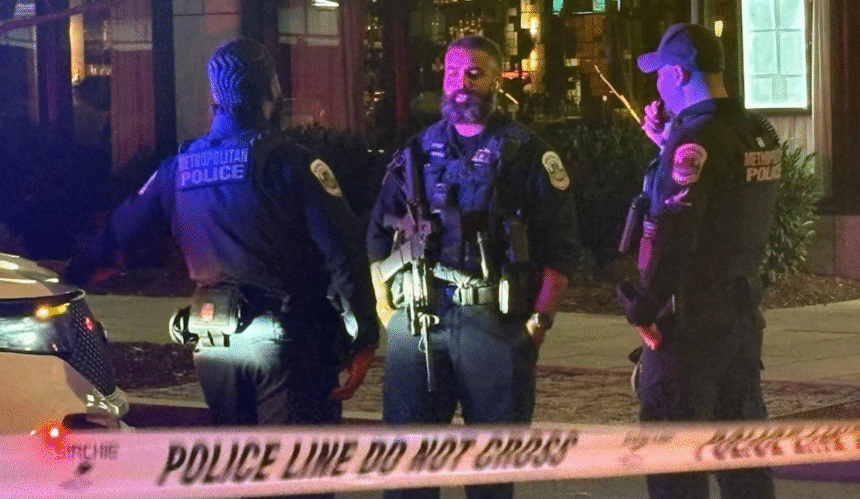
On what began as a seemingly ordinary day, the calm of the capital was shattered by gunfire. Witnesses described a sudden and chaotic scene as soldiers fell to the pavement and law enforcement quickly moved to secure the area. The suspect was apprehended without incident, but the damage emotional and physically had already been done.
The two soldiers remain hospitalized as medical teams fight to stabilize them. Families are left devastated, and the military community is shaken.
A Case Stirring National Security Questions
In the aftermath, federal agencies moved swiftly. One of the most immediate outcomes has been a temporary halt to immigration processing for Afghan nationals. While officials stress that this is a precautionary response, it has already fueled political tensions and revived heated debates about refugee admissions.
Critics are calling for stronger vetting procedures. Advocates warn against blanket policies that punish the innocent for the actions of one individual. Meanwhile, security agencies are combing through the suspect’s history, communications, and mental health records to determine what led to the attack.
The broader question looms: how does the United States balance humanitarian responsibility with the need to protect its citizens?
A Human Tragedy on Multiple Fronts
Behind the headlines are real people whose lives have been altered forever. Two young soldiers, serving their country, now face an uncertain road to recovery. Their families are enduring heartbreak no one ever expects to feel.
On the other side, hundreds of Afghan refugees fear stigmatization. Many of them supported American forces in the hope of building safer lives for their families. Now, they worry that the trust, already fragile, may crumble further after this violent act.
Communities, lawmakers, and immigration advocates are urging the public to remember that one person’s actions do not define thousands of others who have peacefully resettled and rebuilt their lives in the United States.
A Nation Searching for Answers
As investigators dig deeper, many Americans are left wondering how someone vetted through U.S. intelligence channels could eventually become a threat. Did something go wrong in the resettlement process? Were there warning signs that went unnoticed? Could this tragedy have been prevented?
These are complex questions with no immediate answers. Yet one thing is certain: the incident forces the country to confront the messy, painful aftermath of a long war, a conflict that continues to shape lives on both sides of the world.
Uncertain Times Ahead
The coming days will bring more developments, from official statements to security updates. For now, the nation remains in a state of grief, shock, and reflection.