
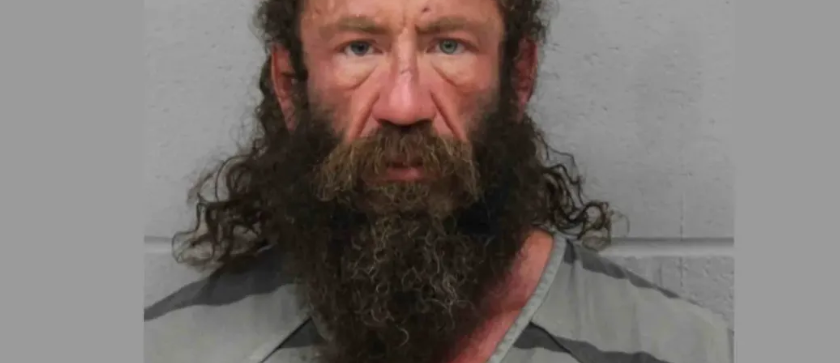
In a turn of events that captivated both the fitness and podcasting worlds, Brian “Liver King” Johnson, the self-styled “ancestral lifestyle” influencer, has had the charges filed against him dismissed following his arrest over threats directed at renowned podcaster Joe Rogan. What began as a sensational social-media confrontation morphed into a legal episode laden with questions about mental health, influencer culture, and online provocation.
The Lead-Up and Arrest
Johnson, famous for promoting a diet of raw organ meats and an ultra-masculine “back-to-nature” image, posted a series of provocative videos on Instagram in June 2025. In one clip, wearing a wolf-pelt headdress and wielding what appeared to be props, he directly challenged Joe Rogan:
“Joe Rogan, I’m calling you out… Man to man, I’m picking a fight with you.”
The posts escalated as Johnson traveled to Austin, Texas, where Rogan resides, while documenting his journey and continuing his threats. Concerned by the ongoing behavior, Rogan’s security team alerted local authorities. The Joe Rogan-affiliated team reported the posts to the Austin Police Department, which concluded that Johnson’s online statements could qualify as “terroristic threats.” He was arrested, booked on a Class B misdemeanor, released on bail of $20,000, and ordered to stay at least 200 feet away from Rogan and his family.
Why the Charges Were Dropped
Despite the serious nature of the allegations, recent court records reveal that prosecutors formally dismissed the charges against Johnson. The decision seems tied to multiple factors:
-
The complexities of proving a “terroristic threat” in court when the target (Rogan) had not directly engaged with the influencer.
-
Evaluations pointing to potential mental-health concerns on Johnson’s part. Authorities had documented erratic behavior, travel while posting threats, and concerns that he could be a danger to himself or others.
-
The possibility is that the initial urgency of the case (given the public nature and travel) did not translate to the legal threshold for prosecution.
The Broader Implications
This episode goes beyond a mere social-media stunt:
-
Influencer accountability: Johnson rose to fame with bold claims about diet, supplements, and “ancestral” strength. His rise and subsequent fall highlight how public personas can spiral when boundaries of reality and performance blur.
-
Threats in the digital age: While physical confrontation may be rare, the ability to travel, livestream, document one’s actions, and challenge high-profile figures amplifies the real-world consequences of online behavior.
-
Mental-health intersection: The case underscores how influencer stunts may mask deeper issues. When law enforcement mentions instability or danger to self/others, the narrative shifts from “celebrity spectacle” to “public safety concern.”
-
Legal precedent: A dismissed case doesn’t negate the seriousness of the incident. It raises questions about how law systems adapt to new forms of threat—ones born on social media, rather than traditional confrontation.
What Happens Next?
For Johnson:
-
Though cleared of criminal charges, his public image has already taken damage. He may face civil suits, brand fallout or further scrutiny of past marketing practices.
-
If mental-health evaluations were mandated (as suggested by reports), his future public behavior and legal standing may hinge on compliance and transparency.
For Rogan:
-
While not directly involved beyond being the target, the incident forces reflection on personal security, online harassment, and the responsibilities of public figures toward influencer culture.
Final Thoughts
The case of Brian “Liver King” Johnson is a cautionary tale in the modern era of content creation and personal branding. One moment, a fitness influencer goes viral for unusual behavior. Next, legal authorities become involved. Then, the charges evaporate — but the consequences remain. The silence doesn’t imply resolution—it may just signal the next chapter in a complicated story of fame, provocation, and accountability.