
Meet the Notorious: The Scam Against the Players
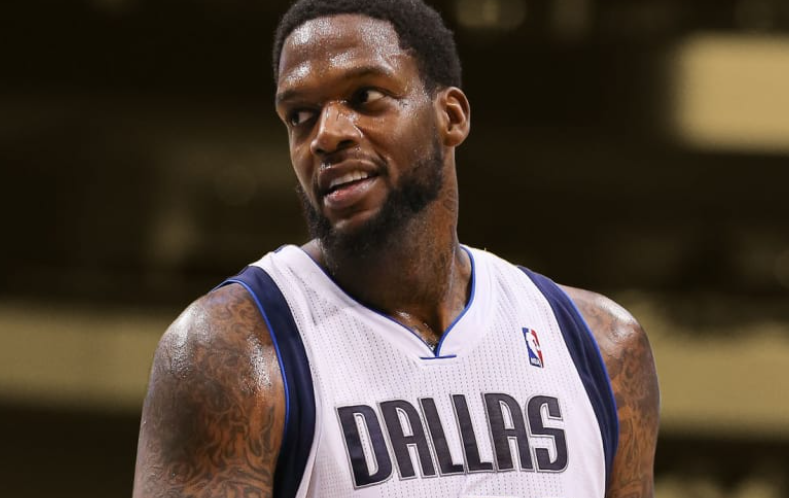
When the digital era is involved, fame is a two-edged sword. One of the ex-NBA giants recently appeared with a warning: there is a recent trend that scammers are increasingly making fake social media accounts as fake agents, employees of a team, or scouts of talent, and use them to lure players into providing personal data or sending money. What is started as a complimentary message or an opportunity can turn into betrayal, loss of money, and broken trust. The disclosure reveals that in the case of professional athletes, vulnerability may not only occur on the court, but on the internet.
- Meet the Notorious: The Scam Against the Players
- Manipulation Behind the Screen: How the Scam Works
- Why Sportspersons Are the Most Susceptible.
- More Than Money: The Emotional Tax of Betrayal.
- The Warning: How to Be Safe in a Scam-Prone World.
- One thing all people must remember is that not everything that glitters on the screen is real.
Manipulation Behind the Screen: How the Scam Works
The scam, as the former player claims, begins rather innocently: a friendly direct message, an overseas tryout promise, or a well-paying contract with a minor league team. The profiles are constructed well, including pictures, logos, and other fake documents to appear legitimate. The scammer can entice young or aspiring players, who want a break, and eventually request them to pay processing fees, visa costs or travel expenses. After payment has been made, contact is lost, and the victim learns that he or she has been defrauded. It is a plan which is based on hope, ambition, and trust, and that is what is dangerous.
Why Sportspersons Are the Most Susceptible.
Every player, no matter his/her level, is usually hoping that it will be one last chance to move his/her career. The starvation is capable of causing even the most cunning sportsman to become adventurous. Scammers know this. They live on hopes of deals, publicity, and higher wages. Combine the loneliness of some of the players (particularly those who are abroad or foreigners), add to all these a hectic timetable, and you have an ideal recipe to be exploited.
More Than Money: The Emotional Tax of Betrayal.
Losing money is bad enough. Nevertheless, the emotional impact may be even more profound for a lot of players. The betrayal has the ability to shake their confidence, thereby damaging their trust in the agents or recruiters, and whether the basketball world they hold dear is more perilous than it appears. It is not an economic blow, as it is a psychological scar to some.
The Warning: How to Be Safe in a Scam-Prone World.
The message by the former NBA player is a straightforward one: never believe without first verifying. It involves contact research, verification, and official team or league, no-upfront payments, and unsolicited offers. Trust to agents, check and recheck documents, and do not allow desperation to cloud judgment. To players – as much as to fans – care can be the isolating factor between a career chance and an expensive dead end.
One thing all people must remember is that not everything that glitters on the screen is real.
It is easy to get lost in the madness of social media posts, DMs, and flashy promises. Nevertheless, this admonition tells us: There may be illusion behind most screens. Success in sport, like in life, is never achieved instantly, and there is no easy way, no quick way, which is not risky. To players, officials, and supporters, what is clear is that authenticity is important. Respect the game. Respect each other. And never miss deeming trust in an offer too good to be true.