
Tragedy in Abilene: A More Accurate Gander at the More Recent Deadly Assault.
In a most gloomy foreshadowing of how fast a deadly weapon can tear lives apart, a recent aggravated attack in Abilene with a lethal weapon left the community in shock, posing hard questions. When an ordinary police incident report turns into a murder, the impact spreads far beyond the scene of the crime into the families, communities, and even the community as a whole.
The Incident
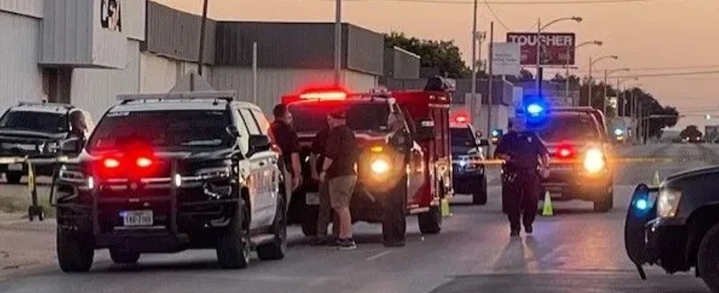
What started as a disturbance on a regular evening in Abilene got out of proportion. The police report of the area stated that a fight that was in possession of a weapon made someone a victim in the fight. The weapon was reported to have been used by the suspect in the conflict situation, and this is what escalated the conflict into a fatal occurrence. The details remain under investigation, but the report confirms that the aggravated assault charges with the use of a deadly weapon have been filed, which means that the consequences will be severe in accordance with the law.
The Life after the Chimes: Changed Just like that.
To the family of the victim, this does not just represent a statute or a newspaper headline; this is a loss. A man who was somebody’s parent, brother, friend – dead. To the suspect, his actions become weighty, which will haunt him or her perhaps a lifetime or even many years. To the community, the discomfort commences: the neighborhoods that communicate with one another feel mute, alert, and less trusting.
The people of the locality are struggling with answers that they have heard all their lives, but never thought they would ever have to come this close to them: Was this avoidable? Is there any way that somebody could have acted sooner? Does this sort of thing occur here? Grief is met by an impatient aggravation of the arbitrariness, the meaninglessness of it.
Why This Matters -Far Above the Incident.
- Weapons in real life: The reality that this is an instance of a deadly weapon case reminds us of how ordinary things or minor disagreements could turn deadly. What one minute it’s words, and the next moment there is a weapon in hand, and that is all different.
- Safety of the community at stake: This type of incident erodes the sense of safety. To the onlookers, even upon seeing the news, one will ask the question of whether this can happen to me.
- Law enforcement and response: It is not only the pressure on the agencies to apprehend the suspect, but to assure the community, process the suspect in a fair manner, and not to make the situation worse.
- Prevention vs. reaction: In this case, the outcome is death; thus, society questions: What would have prevented this? What about the underlying causes, be it conflict resolution, weapon access, or social tensions?
A Silent Conversation in a Community.
On the days after the incident, there are things that are there: neighbors gossip at night about what they did or did not witness, a friend leaves flowers at a street, another one sends a note, inquiring whether everything is all right. Schools can reconsider safety measures, and the local communities can organize forums to discuss preventive measures. And the absence of the victim is palpable somewhere: the hollow chair at a table, the voice on the phone, the light that is kept too late at night.
Authorities can issue press releases: “We are investigating, We are cooperating with the family, Our hearts go out. However, to those most near the happening, the words pass as nothing to the silence that succeeds.
FAQs
Q: What exactly is “aggravated assault with a deadly weapon”?
A: It means someone assaulted another person with a weapon (or something capable of causing serious harm), and the circumstances elevate it beyond a simple assault, typically because of the weapon’s involvement, the severity, or the intent to do serious harm.
Q: Why is this described as “deadly”?
A: Because the weapon used or the outcome of the assault led to a death, or involved the clear potential for fatal injury. When death is part of the result, the case severity rises dramatically.
Q: Does this one incident reflect a wider trend in Abilene?
A: Incidents like this don’t necessarily mean the city is uniquely dangerous, but they do highlight that no community is immune. Every city has moments of serious violence, and each brings out discussions about prevention, policing, and community support.
Q: What can community members do in response?
A: Several things: stay aware of what’s going on around you, support victims and their families, engage in local discussions on violence prevention, advocate for responsible conflict resolution, and encourage local programs that reduce weapon-related risks.
Q: What should we watch for as the case proceeds?
A: Look for the official charges filed, statements from law enforcement, community reactions (public forums, vigils), possible changes in local policy or safety initiatives, and follow-up on whether the case leads to wider conversations about preventive measures.