

When Dynamite Became Too Much: A Night Some Fans Wish Had Never Aired
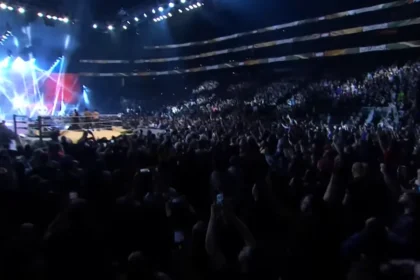
This past week, AEW Dynamite became the center of a heated wrestling-fan debate. The episode tried to deliver big: high-octane matches, surprise appearances, multiple title angles, and more, all packed into a chaotic, fast-flowing show. But at least for one vocal viewer known only as “The Chadster,” it was too much: so much action and so many surprises that, in his words, the show “ruined” what might have been a mellow Thanksgiving-Eve night. And his take isn’t unique. Across social media and forums, a notable number of wrestling fans echoed the sentiment: the episode overpromised, under-delivered, and left more confusion than satisfaction.
- When Dynamite Became Too Much: A Night Some Fans Wish Had Never Aired
- The Build-Up: High Stakes & High Expectations
- What Went Wrong: Too Many Matches, Too Many Twists, Not Enough Breathing Room.
- But It Wasn’t All Bad. Some Moments Still Landed.
- What This Means to AEW -And What to Do Next.
- Final Thoughts: The Show Goes On: But Lessons Remain
Here’s why many feel AEW overshot and why this particular Dynamite still matters.
The Build-Up: High Stakes & High Expectations
Heading into the show, expectations were high. AEW promised big things: big match-ups, returns, surprises, the kind of unpredictability fans had come to expect. For a promotion that thrives on chaos, momentum, and shock value, Dynamite seemed positioned to deliver a memorable night. From tag team matches to championship defenses, from returning stars to storyline developments, the energy was palpable.
But with so many moving parts, the risk was real: cram too much into one show, and the storytelling can break down. That’s exactly where many say this episode stumbled.
What Went Wrong: Too Many Matches, Too Many Twists, Not Enough Breathing Room.
Some of the recurring fan complaints appeared, such as The Chadster, and they point to a trend that apparently has made an impression:
Overstuffed Card: Matches and angles were back-to-back too many times. Rather than letting every narrative percolate and allowing matches to rest, the show leapt over one high-impact situation to the next. To the audience, it was emotional whiplash – there was no time to digest, respond, and concern.
Absence of Build and Payoff: There were a few matches that were meaningless, with all the things going on. Major championship matches and showcasing of fights have lost their importance since the show did not pause to create a sense of drama. Rather than tension and payoff, it was action because of action itself.
Chaos Over Coherence: And the highs and lows were chaotic, and faction chaos, and tag team mayhem, and several story lines running during one night: The story was chaotic. To those accustomed to more extended arcs and payoff, it was more of a highlight reel than an emotive wrestling show.
Viewer Fatigue: Some fans confessed to having become so weary halfway, not enthusiastic, but overstimulated. Wrestling is a sport of energy, but it must have moderation. Even the most invested could not match the intensity without breaks or build-up.
To those viewers, it might have been an otherwise fun and entertaining night, and instead became a headache; too many twists, no time to give even a thought, and a feeling that the show was more about shock than content.
But It Wasn’t All Bad. Some Moments Still Landed.
It is worth mentioning: not all the fans responded negatively. Actually, certain moments and matches did have a ring to them. It had bursts of the showmanship, charm, and daring that a lot of people adore in AEW. To a part of the audience, to which this episode was addressed, who had gone in hoping for anarchy and uncertainty, this episode provided just that.
To them, Dynamite was not ruined; in fact, it was wild and unexpected and thrilling. Bombshells and returns are not meant to allow you to breathe. They’re supposed to shock. And at that level, the show was successful.
What This Means to AEW -And What to Do Next.
Such a polarized reaction, half exhilarated, half exasperated, sends a very clear message to the leadership and the creative team of AEW. The following are some of the ideas they may wish to consider:
Moderation against Excess: Spectacle is not the only concern of wrestling fans, but narrative. AEW might consider breathing a little easier: fewer matches, more emotional build-up, more of a payoff per narrative.
Delaying Action: Not all the twists must occur simultaneously. The breadth of time to develop a feud or character arc (as opposed to burnout) might result in a greater level of fan commitment.
The Interpretation of Diverse Audiences: The fan base of AEW is diverse. There are those who desire to be constantly on the move and be caught unawares, and those who seek narration and character growth. Coaching to both is also about providing the show rhythm, which is not only highs, but also highs and lows.
Quality, not quantity: A small number of emotional, well-played matches could prove to be more memorable than a complete card of interchangeable, predictable matches.
That is, motion should not be confused with momentum.
Final Thoughts: The Show Goes On: But Lessons Remain
AEW Dynamite’s recent episode may have left some fans feeling like their Thanksgiving was ruined, but it also serves as a reminder of what wrestling can be at its most chaotic and unpredictable. That dualit,y magic and misfire, exhilaration and exhaustion, is part of AEW’s DNA.
For the Chadsters of the world, this might have been too much. But for others, this could be one of those wild nights you tell your friends about for years.