

An Admission that Shocked NFL Society
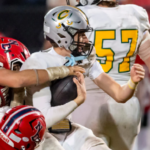
Quentin Jammer made a shocking and very personal confession, telling the story of how he played in a minimum of eight NFL games in the 2011 season, being absolutely drunk. What started as a simple tweet has shaken fans and even former teammates alike, making everyone address a side of professional sports nobody ever talks about so frankly. To a player who was at one time regarded as the foundation of the Chargers’ defence, the discovery is a blow to the old wounds and a new inquiry: How could this get away? And how many other secret battles are going on back in locker-room doors?
The Suffering Behind the Admission: Struggling with Demons
Jammer did not put his confession in the form of a headline grabber. According to him, he described those seasons as a painful personal time, his divorce, emotional stress, and feeling lost. He wrote that he consumed alcohol to pull himself up: tequila and bourbon bottles into locker rooms, shots on game days, and numbness as a coping mechanism. According to him, it was not about rebellion; it was about attempting to exist in a fractured home and a fractured mind. The scandal is not remarkable, but what is a tragedy is the context surrounding the choice: it is a man struggling with pain in the only way he knew how, at the expense of his career and health.
When Trust, Performance, and Health-in-the-Balance
It is not only risky to play drunk in a professional football match but also dangerous. At 6 feet and far more than 200 pounds, Jammer remained a physical cornerback who had the reputation of closing down the best receivers. But with the mist of liquor, judgment is blurred, reactions checked, decisions retarded. Coverages get blown. Tackles go mistimed. The confession is devastating to those teammates and fans who value precision and professionalism. It asks uncomfortable questions: whether one of the veterans can pass through, and how many have had a hard time without being heard? And should performance conceal pain – how often does the game cover the price?
More Than Scandal: To Be Compassionate and Mentally Healthy
The response has not been simply in disbelief. For some, it’s been empathy. Since there is more than the numbers, the interceptions, the tackles – this is a human being who at some moment was broken, vulnerable, desperate. The confession that Jammer makes, crude and unpolished, is a reminder that athletes are, first of all, humans who are overwhelmed with personal struggles, social pressure, and are put under the expectations that do not always take into account the damage that such a job can do. With this news digesting by the league, teams, and fans, the moment can be the start of more candid discussions on mental health, support circles, and some of the secret challenges some players may face.
Redemption, Consequences, and the Road Ahead
We cannot tell whether and to what extent there will be formal consequences of Jammer’s confession decades later. To him, however, the confession appears to be more about rebellion than reform: a personal release that could make others feel not so isolated. It remains to be witnessed whether this results in future introspection in the league or increased support of players in the backroom. What is obvious: to Jammer, and to those who, in any part of their own hardships, see him as a victim, this is a crude, human touch, that even a star can get hurt, and that the most courageous action sometimes is nothing more than to acknowledge it.