

A Documentary Not to be Discriminating.
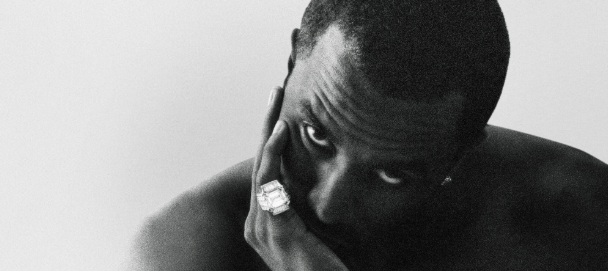
The four-part series Sean Combs: The Reckoning does not hold back. Even in the first episode, it establishes itself as distinct, not as a joyful ode to success, but as a gritty investigation of fame, wealth, and the shadowy aspects that occasionally reside in the shadows. Diddy, as he is known, has over the decades devised an empire out of music, glamour, and influence. However, this series, especially the third episode, compels the audience to watch a much different story, one that is full of accusations, heartbreak, and voices that have gone unheard.
- A Documentary Not to be Discriminating.
- Episode 3: When Talent, Trust, and Exploitation Collide.
- Lost Identities: Survivors Fighting Memories, Trust, Truth.
- Between the Publicity of the Spotlight and the Powerlessness of Silence.
- What Makes this Episode Ring True and Why Does it Sting?
- What follows next: Discussion, Reckoning, or Denial?
Episode 3: When Talent, Trust, and Exploitation Collide.
The turning point is episode 3, titled The Official Girl. It is the place where the rumors turn into witnesses and whispers turn into names, e-mails, and memories read on the screen and spoken out loud. Even former pop-star Aubrey O’Day, who used to be an up-and-coming member of the girl-group that Combs has formed under his watch, tells how her experience under his care was not always about music and stardom. She describes so-called explicit e-mails, uncomfortable advances, and the feeling of having to agree to the terms. Her words provide some support to the assertions that there had been a breach of the mentorship and manipulation boundary.
Lost Identities: Survivors Fighting Memories, Trust, Truth.
The episode is particularly heartbreaking because it is centered on the emotional consequences. Other of the participating women do not even recall what transpired, the trauma, the confusion, and the self-doubt. One of her ex-associates reads out an affidavit in which she describes an alleged assault she says she witnessed, but the supposed victim herself says that she does not recall it. It is not the event that hurts, but the uncertainty, the feeling of being unbelieved, the feeling of guilt. Speaking to a lot of people is both a relief and a burden.
Between the Publicity of the Spotlight and the Powerlessness of Silence.
The doc does not simply dwell upon the women; it casts a light through the distorting influence of power, celebrity, wealth, and influence. Formerly admired workers view Combs as a shaving mentor or ticket to success, but now claim to feel trapped, vulnerable, and overlooked. It is a sharp contrast of a larger-than-life character, the architect of careers, and a man whose influence might make or ruin lives outside the screen. The third episode compels us to witness how charisma and entrepreneurial skills can, at times, conceal predation.
What Makes this Episode Ring True and Why Does it Sting?
Official Girl is not easily watchable. It requires sympathy, patience, and emotional strength. However, it comes with another uncommon occurrence; candid talks by those who have been muted or marginalized in the past. By so doing, it redefines success in another way – such that to some, the price of ambition is much heavier than meets the eye. To the audience, even those who did not know much about Diddy, it is a wake-up call about the power dynamics, consent, and the often covert consequences of stardom.
What follows next: Discussion, Reckoning, or Denial?
The fact that this episode was released, and the series in general, raises serious questions. Will it result in greater awareness of the survivors, or is it a dismissal as a hit piece? Is it possible that people can divorce the art and the artist – are they supposed to? And (possibly) most importantly: will it trigger a change in the industries where exploitation has frequently been overlooked? The ripple effect is yet to be felt. However, to the viewers, the message is quite straightforward: silence and glamour should not take precedence over truth and accountability.