
A Surprise That Almost Happened
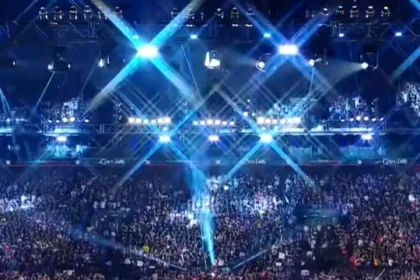
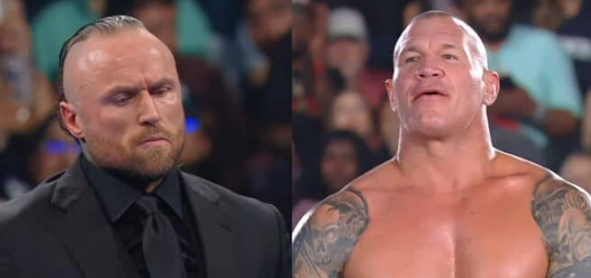
When fans speculated about the big surprise opponent for Randy Orton at WrestleMania 41 after his original foe was sidelined by injury, one name came up over and over: Aleister Black. With Black’s return to WWE recently teased and a major slot suddenly open, many believed this would be the perfect moment for him to step into the ring, make a statement, and reintroduce himself in spectacular fashion. Inside locker rooms and creative discussions, the conversation actually happened: “What if Black answers the challenge?” was floated, seriously. For a moment, it seemed like a plan with real momentum, a reunion of sorts, tension, a reunion of past fans, and a fresh start.
Why WWE Pulled the Plug: It All Came Down to Timing and Image
But ideas don’t always survive real‑world pressure. According to Black himself, the plan was scrapped quickly, not because of a lack of faith, but because of what a loss would have represented. Coming back from time away, Black’s first match back would set the tone for his return. Wrestling him against a legend like Orton on the grandest stage, only to have him take a loss, could erase the comeback glow overnight. The company reportedly felt it wouldn’t make sense for Black or for the show’s long‑term narrative.
Put simply: the risk was too high. A loss would devalue his return not only in fans’ eyes, but also internally, within momentum and future booking. Instead of risking that, WWE chose to save his homecoming for a later date.
A Different Kind of Return: What Black Got Instead
Rather than inserting him into a high‑risk, high‑pressure WrestleMania match, WWE waited. Black’s official return came a little after WrestleMania, giving him breathing room: time to re‑acclimate, rebuild, and re‑introduce himself on his own terms. Without the burden of a loss hanging over him, he could re‑engage with fans, rebuild momentum, and reset expectations at a more manageable pace. For Black, that kind of long‑term thinking mattered more than a quick spotlight. It gave his return weight not as a one‑night shock, but as the beginning of something new.
Beyond One Match: What This Decision Says About WWE’s Approach
This isn’t just a booking blunder or a missed opportunity. It reflects a larger principle: in wrestling, especially now, sending a returning superstar into a loss on a big night can do more harm than good. WWE seems more cautious about wasting comebacks. Rather than relying on surprise or spectacle, there’s value in rebuilding slowly, protecting reputations, and giving returning stars the chance to re‑establish themselves without suffering from dramatic booking missteps.
In this light, the decision to skip Black vs Orton isn’t a slight; it’s a strategic move. It recognizes that wrestlers are more than the sum of a match and that comebacks are fragile. Sometimes what looks like a missed moment is really a carefully avoided mistake.
What It Means for Black and What Might Come Next
For Black, the shift away from WrestleMania may have felt disappointing in the short term, the dream of a surprise comeback clash on the biggest stage was lost. But long-term, it may prove wise. He’s back, clean slate in hand, with the opportunity to chart his own path, regain trust and momentum, and avoid the stigma of a debut loss.
As for fans, this could pay off in more meaningful storytelling, a return built on patience, respect, and slow-burn buildup rather than a one‑night appearance. Whether Black gets a big match soon or builds through mid‑card storylines, there’s a sense of potential: not just for a single moment, but for a resurgence that lasts.