
UC Berkeley Under Investigation, And the Stakes Couldn’t Be Higher
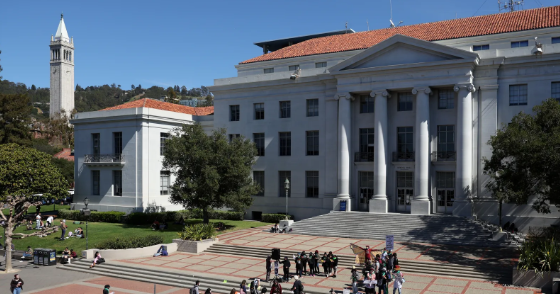
The storied halls and sun-drenched lawns of UC Berkeley, long an emblem of academic freedom and progressive ideals, now find themselves at the center of a sweeping federal investigation. What once stood as a beacon of open debate and intellectual exploration is suddenly facing scrutiny from the highest levels of government. The latest move by the Trump Administration to investigate the university signals tensions not just about one school, but about the future of public higher education in America.
- UC Berkeley Under Investigation, And the Stakes Couldn’t Be Higher
- What Sparked the Investigation?
- What the Investigation Covers And What’s at Risk
- What This Means for Academic Freedom, Student Activism, and Campus Life
- The Human Side: Anxiety, Confusion, and Institutional Strain
- Why This Investigation Matters for All of American Higher Education
- The Road Ahead: What to Watch
- Final Thoughts
What Sparked the Investigation?
The probe stems from a turbulent incident at a campus event held on November 10, organized by a politically active group. What began as a demonstration descended into violence, including a fistfight and an assault involving a thrown object, prompting authorities to evaluate whether the university properly handled safety, reporting, and free-speech protections. In response, the federal government triggered an investigation under a law that requires colleges receiving federal funds to report crime data accurately, support victims of violence, and enforce transparent campus-safety policies.
It’s worth noting: this is just the latest in a series of inquiries and legal pressures UC Berkeley has faced this year. Under prior scrutiny were issues ranging from foreign funding disclosures to allegations of discriminatory practices, and now to campus safety and protest management.
What the Investigation Covers And What’s at Risk
The scope of the inquiry is broad. Authorities are demanding access to decades of crime logs, reports, incident records, and safety-protocol documents. They want to know: Did Berkeley follow federal guidelines when protests turned chaotic? Did it properly report violent incidents? Were there failures in campus security or in documenting what happened?
For Berkeley, that means reopening and re-evaluating past events under the glare of a political spotlight. Non-compliance or findings of misconduct could result in the loss of federal funding that millions of students rely on for grants, research, and other services. That threat looms especially large for public universities whose budgets and standing often depend on federal support.
What This Means for Academic Freedom, Student Activism, and Campus Life
For decades, UC Berkeley has stood for something greater than syllabus and scholarship: a culture of protest, free expression, and sometimes abrasive disagreement. Student activism, social justice protests, passionate debates about global issues, these have been part of its identity.
Now, that identity is being challenged. With every federal investigation, campus activism becomes more precarious. Students might self-censor. Guest speakers could be disinvited. Administrators may shy away from controversial events. The very vitality that has defined the school could be at risk if the threat of funding loss looms with every demonstration.
The Human Side: Anxiety, Confusion, and Institutional Strain
Behind every investigation are people, students, faculty, and staff who are dealing with uncertainty, fear, and confusion. What does this probe mean for their academic futures? For international students who may fear visa consequences? For staff and faculty, asking whether their research or teaching could come under scrutiny?
Some may worry about privacy. Others about job security. Many will ponder whether their university can or should continue to stand for free expression in the face of mounting political pressure.
For students hoping to study, debate, and change the world, this uncertainty isn’t just bureaucratic. It’s deeply personal.
Why This Investigation Matters for All of American Higher Education
What’s happening at UC Berkeley isn’t just about one campus. It could set precedents. It could reshape how universities across the country handle protests, safety, reporting, and how much autonomy they really have when federal funding is involved.
If the government succeeds in applying pressure, we might see:
-
More cautious campus policies around protests and controversial speakers
-
Hesitancy from universities to host politically sensitive events
-
Increased self-censorship from faculty and students
-
A shift in how public universities balance free speech, safety, and compliance
And beyond policy: a chilling effect on the kind of vibrant intellectual debate that has long defined higher education.
The Road Ahead: What to Watch
For now, UC Berkeley says it will cooperate. Leaders have emphasized their commitment to compliance, transparency, and safety. But many remain skeptical, especially those who worry about encroachments on academic freedom or politicized scrutiny.
In the coming weeks and months, the following will be critical:
-
Whether the investigation stays narrowly focused on safety and compliance, or expands to probe other aspects of campus life.
-
Whether federal funding is threatened and how that impacts not just Berkeley, but the broader University of California system.
-
How other universities respond: will they change policies out of caution, or stand firm in defense of free speech?
-
Whether this becomes a long-term campaign of oversight and pressure, or a one-off reaction to a single event.
Final Thoughts
The investigation into UC Berkeley isn’t just a story about protests gone wrong; it’s a flashpoint in a larger confrontation over what American universities stand for. It’s a test of whether campuses can remain centers of dissent, debate, and activism or whether political pressure and federal oversight will transform them into sanitized zones of compliance.