
Unexpected Return of Prince Andrew to the Royal Fold.
It was an unusual and much-anticipated event when Prince Andrew was seen again by people, along with other members of the royal family in the funeral of Katharine, Duchess of Kent. He makes people talk about him, not merely the aspect of his looks, but what it augurs for his future in the royal family.
Westminster Cathedral: A Quiet Comeback.
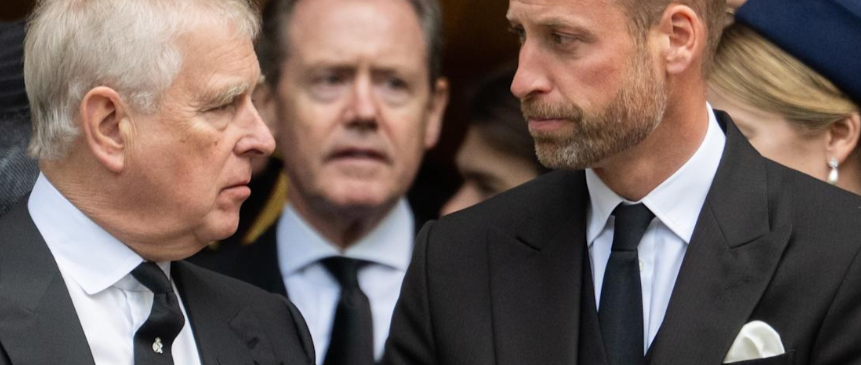
Andrew, 65, appeared at Westminster Cathedral and stood right beside Prince William, an act that was not unnoticed. His former wife, Sarah Ferguson, also attended and helped to keep the front together at an otherwise gloomy royal reception. This is a significant change of look, considering the fact that he has been rarely featured in formal royal portraits and official family gatherings in the past few years.
Stepping Back but Not Gone
Andrew has been low profile since 2019, since he has moved aside from frontline royal work. His withdrawal came after a very scandalous interview and increasing questioning of the relationship he has had with previous associates. Throughout the years, he has been in touch with family happenings, albeit in a reduced form of capacity.
His little visit to the Duchess of Kent during Easter last was a traditional bow, but his attendance at her service was more serious. It was more of a token gesture than a normal visit: he is still part of the family, even though his presence is no longer as crucial as it used to be.
The Shadow of His Past
Andrew struggles with his way back into royal circles. Ties to a convicted financier, Jeffrey Epstein, whom he used to be close to, and a civil settlement, which was related to those claims, further tint societal opinions. Although the royal identity weighs down on his controversial background, the legacy of those connections continues even now, as he hires and pays little attention to his numerous formal responsibilities.
A great part of the popular interest today depends on the way the monarchy will manage its reappearances. Is this an eventual, regular appearance of vital family events? Or shall it be an indication of a gradual reintegration – of a sort, but not a complete reversion into royal life?
What This Implies to the Royal Family.
- Family, Not Work: The fact that Andrew attends the funeral clearly indicates that his job can be family-based rather than functional. This is not a matter of political responsibility and national commitments but blood relations and heritage.
- Princely Care: The royalties are extremely conscious of the optics. This is strengthened by letting Andrew come back, yet they might be keeping his nose out of the grass, so as to avoid more dangerous backlashes.
- Boundaries of Public Engagement: His appearance only implies that the door is not fully shut, though there is a very strict control of boundaries between family time and the obligation to be a responsible citizen.
- Tradition vs. Redemption: To Andrew, these few occasions can be a part of a personal redemption story. To the viewers, they pose questions of whether reputation and royal duty can be leveled once again.
What Comes Next
The royal watchers will be watching some of the things:
- Future Occurrences: Will Andrew be attending more memorials, chapel services, or family celebrations?
- Senior Position: Will he resume in a down-sized fashion any of the royal responsibilities or stay on the sidelines?
- Public Response: What will the media, pro-royal, and general population think should his appearances increase in frequency?
- Monarchy Strategy: The manner in which the royal family refracts its resurfaces may tell much about how the monarchy dealt with reconciliation, legacy, and image.