

MMA Tensions Boil Over: Fedor Emelianenko Calls for Apology After Pre-Fight Comments by Jack Della Maddalena’s Coach
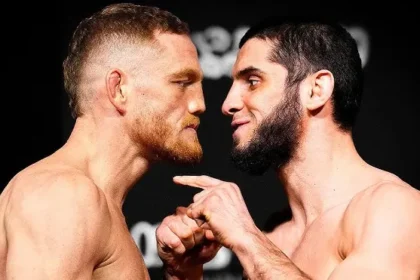
In what began as just another high-stakes welterweight championship bout at UFC 322, the fallout has become unexpectedly personal. Fedor Emelianenko, the legendary former heavyweight champion, is demanding an apology from Ben Vickers, the coach of Jack Della Maddalena, all due to remarks made before the fight.
The Spark: Pre-Fight Comments That Crossed a Line
The controversy centers on statements Vickers made ahead of the showdown with Islam Makhachev. Vickers, confident in his fighter’s power, publicly claimed that Makhachev lacked the durability to withstand the kind of damage Della Maddalena could deliver, a remark many perceived as mocking or belittling Makhachev’s grappling pedigree.
What stirred the pot further was the perception that Vickers’ comments were not just about strategy; they came off as disrespectful toward Makhachev’s lineage and training, and by extension, the broader Dagestani fight tradition. That’s where Emelianenko stepped in.
Fedor’s Demand: Respect and an Apology
According to recent reports, Emelianenko publicly called on Vickers to apologize. For Fedor, respect isn’t just a word; it’s a cornerstone of the sport. He viewed Vickers’ remarks not as harmless pre-fight bravado, but as a personal affront to Makhachev and the values that many in the MMA world deeply cherish.
By demanding an apology, Emelianenko is making more than a moral stand: he’s reminding the community that words matter, especially when those words bring cultural or personal weight. His call is resonating, stirring debate in the MMA world about where the line between trash talk and disrespect should lie.
After the Fight: Reality Hits
Of course, things didn’t go Vickers’ way in the cage. At UFC 322, Della Maddalena lost decisively to Makhachev, who dominated on the ground and controlled much of the fight. Following the bout, Vickers expressed both his pride and his pain, saying it “hurts like hell” but reaffirming that this was “the beginning, not the end” for their team.
That loss, combined with Fedor’s public demand, adds new layers to the narrative: it’s no longer just about who won or lost, it’s about the respect, words, and principles behind the fight.
What This Means for MMA Culture
-
Honor vs. Hype: In recent decades, pre-fight hype talk has become more colorful and aggressive, but Fedor’s response is a reminder that honor still holds value.
-
Coaching Accountability: Coaches are not just strategists; their words carry weight. When they speak publicly, they can influence not just fans but the broader respect structure in the sport.
-
Legacy Fighters as Moral Guardians: Emelianenko’s status gives his voice special power. When he speaks out, many listen, and his call for an apology could set a tone for what is acceptable in MMA discourse.
-
Reflection on Loss: For Vickers and Della Maddalena, this moment isn’t just a sporting setback it may be a reckoning. How they respond to Emelianenko could influence not just public perception, but their own approach to respect and humility moving forward.